Access to Opportunity

Building a stable life depends on having something to stand on.

For some, it's the daily basics: food, clean water, a safe place to sleep. For others, it's more long term: land of their own, a steady way to earn a living, or a livable environment.

For many people, that stability is fragile. Around the world, hundreds of millions live without a reliable foundation. Closer to home, many families are one unexpected expense away from losing their footing — making it harder to get ahead, let alone break the cycle of poverty. Even small setbacks can knock everything off course.

Imagine the value of these initiatives: A hygiene center that offers a place to wash up and start the day. Efforts to reduce hunger and food insecurity. A well that saves a woman hours of walking for water each day, giving her more time to care for her family, earn an income, or invest in her community. A childcare center that lets parents go to work. A program that helps a farmer gain title to the land they've worked for years so they have a livelihood they can pass on. These kinds of supports make it possible not just to get by, but to move forward.

These aren't handouts. The goal isn't just to get someone through today, it's to help build something that lasts so those helped can build secure, self-sufficient lives. And in many cases, that stability doesn't just change one life. It creates opportunity across communities and generations and over time, can help break the cycle of poverty.

By helping people build stable, secure lives and move forward with dignity, we can help prevent the far greater social and economic costs of poverty, instability, and crisis. It's a practical investment, a wellness-oriented approach to community building.
man and woman standing together

Lynnwood Hygiene Center

People experiencing homelessness often lack access to basic services many of us take for granted, like showers and laundry facilities. The Lynnwood Hygiene Center provides these essentials and more in a safe and welcoming environment. It helps people meet basic needs that can help them get back on track. A hygiene center is a tangible example of "love thy neighbor," as well as a practical investment in a community that's safer and more just. (Photo: Angelica Relente)

Learn more…


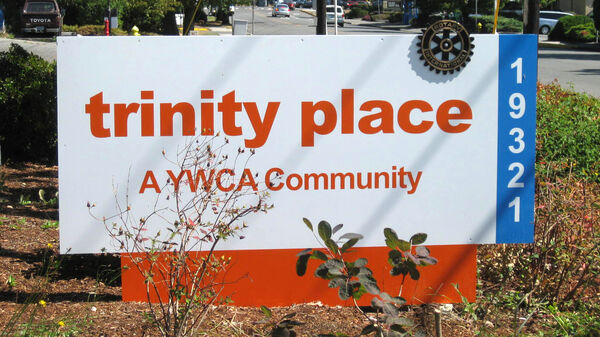
Trinity Place

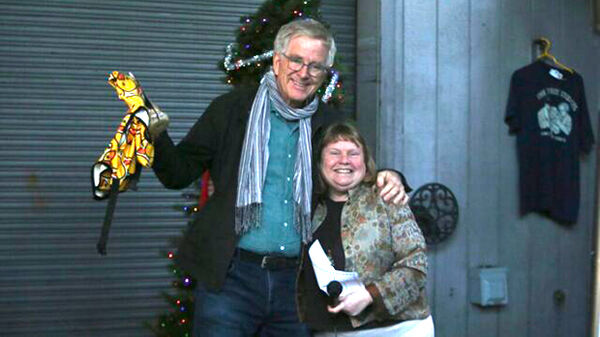
Low-income single mothers often face significant barriers to securing safe, affordable housing for their families. Rather than investing part of his retirement savings in traditional financial markets, Rick used those funds to purchase housing that could serve women and children through the YWCA. Trinity Place became a long-running partnership that provided stable housing while testing a creative way to use private assets to address a community need.

Learn more…


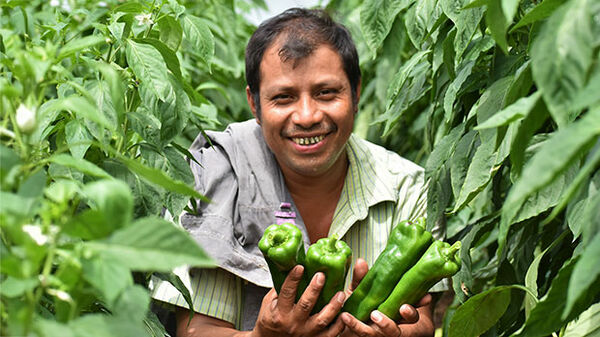
farmer holding green peppers

Agros

For many farming families in the Global South, not owning their land can make it difficult to build economic security. Even after years of hard work, families without legal claim to the land they farm may never fully benefit from the work they put into it. Since 1984, Agros has worked to help industrious families in rural Latin America acquire farmland with legal title and create pathways to financial independence.

Learn more…


four women standing in front of us capitol

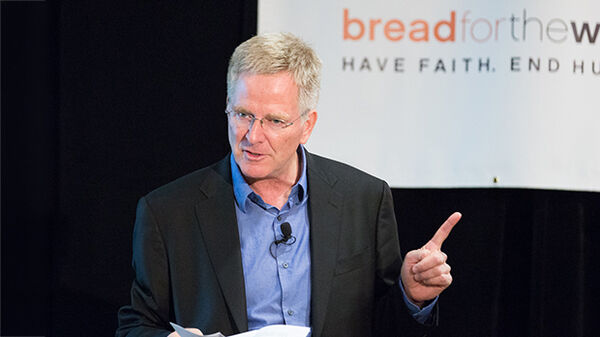
Bread for the World

The world is richer than ever yet has priorities that leave 10% of humanity in extreme poverty — living on about $2 a day. More than ever, people facing hunger need strong, compassionate advocates. And more than ever, their voices are not heard above the din of unbridled capitalism. That's why we support advocacy organizations like Bread for the World, working in Congress to build bipartisan support for policies that reduce hunger in the US and abroad.

Learn more…